




When it comes to youthful, glowing skin, collagen is everything. As we age, collagen production naturally declines, leading to fine lines, wrinkles, and sagging skin. While skincare products help externally, nutrition plays a powerful role internally – and broccoli is one of the most underrated anti-aging vegetables.
Let’s explore how broccoli supports collagen production, reduces wrinkles, and promotes healthier, firmer skin.
Why Collagen Matters for Anti-Aging
Collagen is the main structural protein in your skin. It:
- Maintains skin elasticity
- Prevents wrinkles and fine lines
- Supports skin firmness
- Helps with wound healing
- Keeps skin plump and hydrated
After age 25, collagen production gradually decreases. This is where collagen-supporting foods like broccoli become important.
Key Nutrients in Broccoli for Skin Health
Broccoli is rich in several skin-supportive nutrients:
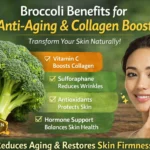
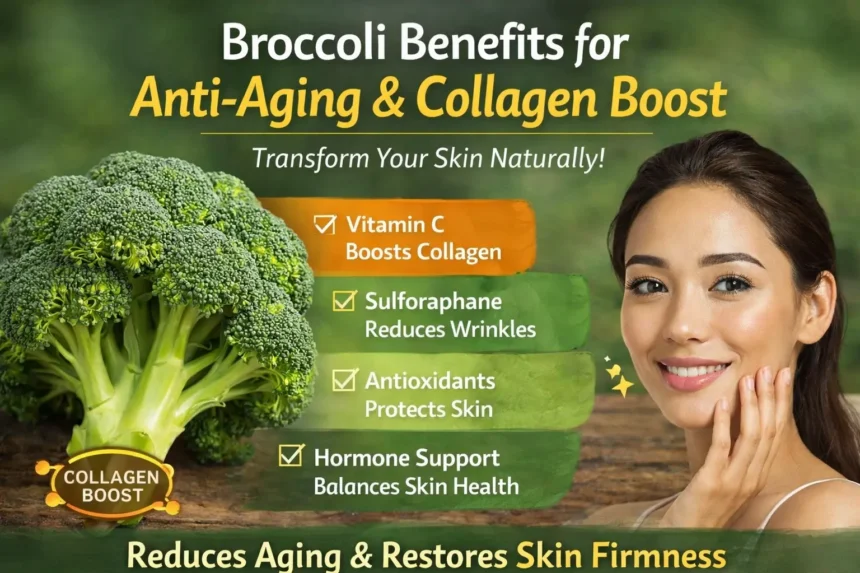
- Vitamin C – Essential for collagen synthesis
- Sulforaphane – A powerful antioxidant
- Vitamin A – Supports skin cell renewal
- Fiber – Promotes gut health (linked to clearer skin)
- Vitamin K – Supports skin repair
These nutrients work together to protect skin from aging at a cellular level.
1. Boosts Natural Collagen Production
Broccoli is an excellent source of vitamin C — one of the most important nutrients for collagen formation.
Vitamin C:
- Stimulates collagen synthesis
- Protects existing collagen from breakdown
- Reduces oxidative stress
- Helps improve skin texture
Without enough vitamin C, collagen production slows down significantly.
2. Fights Wrinkles with Antioxidants
Broccoli contains sulforaphane, a compound known for its anti-inflammatory and antioxidant effects.
It helps:
- Neutralize free radicals
- Reduce UV-induced damage
- Slow down premature aging
- Minimize fine lines
Antioxidants are essential for maintaining youthful skin over time.
3. Protects Against Sun Damage
Sulforaphane may enhance the skin’s protective response against UV rays. While it does not replace sunscreen, it supports the skin’s natural defense system and reduces inflammation caused by sun exposure.
Long-term sun damage is one of the biggest causes of collagen breakdown.
4. Supports Hormonal Balance
Hormonal imbalance can contribute to adult acne and skin aging. Broccoli contains compounds that help support healthy estrogen metabolism, which may benefit overall skin clarity and tone.
Balanced hormones often lead to more stable, healthier-looking skin.
5. Improves Gut Health for Clearer Skin
Healthy skin starts in the gut. The fiber in broccoli:
- Supports digestion
- Encourages healthy gut bacteria
- Reduces inflammation
- Helps detox pathways
A healthy gut microbiome is strongly linked to clearer and brighter skin.
How to Eat Broccoli for Maximum Skin Benefits
To preserve nutrients:
- Lightly steam instead of overcooking
- Add to salads or stir-fries
- Blend into green smoothies
- Pair with healthy fats for better nutrient absorption
Aim for 3–4 servings per week for consistent benefits.
How Long Until You See Results?
Skin improvements from diet typically appear within 4–8 weeks. Collagen production is gradual, so consistency is key.
Remember, no single food reverses aging — but a nutrient-rich diet slows it down significantly.
Frequently Asked Questions
Does broccoli increase collagen naturally?
Yes. Its high vitamin C content directly supports collagen synthesis in the body.
Can broccoli reduce wrinkles?
It may help reduce the appearance of fine lines by protecting collagen and reducing oxidative stress.
Is raw or cooked broccoli better for skin?
Lightly steamed broccoli preserves nutrients while making it easier to digest.
Can broccoli replace collagen supplements?
Broccoli supports natural collagen production but does not directly replace collagen peptides.
Final Thoughts
Broccoli may not be glamorous, but it’s a powerful anti-aging vegetable. Packed with vitamin C, antioxidants, and detox-supporting compounds, it helps boost collagen naturally and protect skin from premature aging.