





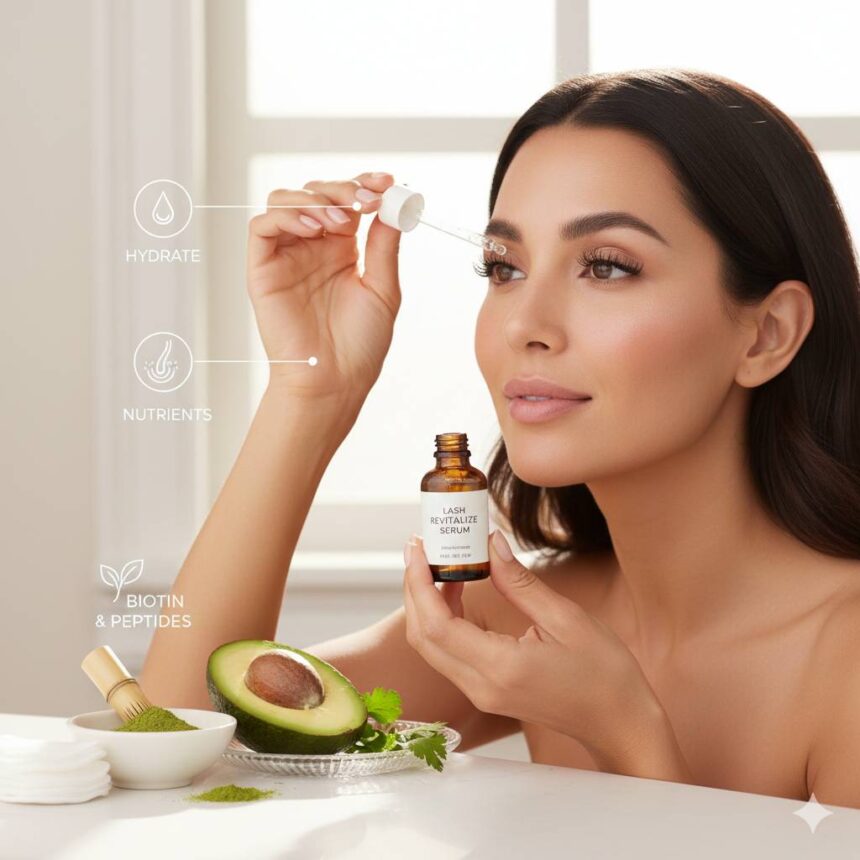
Thick, dark, and voluminous eyelashes are often cited as a universal sign of youth and vitality. However, as we transition through different life stages, our lashes—much like the hair on our heads and the skin on our faces undergo significant biological changes. What worked in your 20s might not be sufficient in your 50s, and the aggressive styling habits of youth can lead to long-term thinning if not addressed.
Maintaining beautiful eyelashes is not just about finding the right mascara; it is about understanding the science of hair growth and adapting your hygiene and nourishment routines to meet your body’s changing needs.
The Science of the Lash Cycle
To care for your lashes effectively, you must understand how they grow. Unlike the hair on your scalp, which can grow for years, eyelashes have a much shorter lifecycle, typically lasting between 4 and 11 months.
The cycle consists of three distinct phases:
- Anagen (Growth Phase): This is when the lash is actively growing. It typically lasts 4 to 10 weeks. Only about 40% of your upper lashes are in this phase at any given time.
- Catagen (Transition Phase): The hair follicle shrinks, and growth stops. If a lash is pulled out during this time, it won’t start growing back immediately because the follicle needs to complete this stage.
- Telogen (Resting Phase): This is the final stage before the lash naturally falls out and a new one begins to grow.
As we age, the Anagen phase shortens, meaning lashes don’t have enough time to reach their previous lengths, and the Telogen phase lengthens, leading to a sparser appearance.
The 20s: The Era of Prevention and Protection
In your 20s, your lashes are at their peak biological performance. They are usually at their thickest and darkest. The primary goal during this decade is preventative maintenance. Most lash damage in your 20s is “mechanical”—meaning it is caused by how you handle them.
1. The Golden Rule of Removal
The biggest mistake 20-somethings make is sleeping in mascara. When mascara dries, it stiffens the lashes. Friction against a pillow can cause these “brittle” hairs to snap off at the lash line. Use a dedicated dual-phase eye makeup remover or a cleansing balm to dissolve product without rubbing.
2. Beware of “Waterproof” Addiction
Waterproof mascara is designed to stay put, which means it requires harsh tugging to remove. Constant use can lead to premature shedding. Reserve waterproof formulas for special events and stick to water-soluble formulas for daily wear.
3. Extensions and “Lash Breaks”
This is the decade of experimentation with lash extensions and strips. While they look stunning, the weight of extensions can cause traction alopecia a condition where the hair follicle is damaged by constant tension. Ensure you take a “fallow month” every few months to let your natural follicles recover.
The 30s and 40s: Maintenance and Early Intervention
During this stage, many women notice that their lashes aren’t quite as “fluffy” as they used to be. This is often due to a slight slowdown in cell turnover and the beginning of hormonal fluctuations.
1. Introduce a Peptide Serum
This is the ideal time to start a non-prescription lash serum. Look for formulas containing peptides and biotin. These don’t necessarily change the DNA of your growth cycle like prescription versions, but they strengthen the hair shaft and hydrate the follicle, preventing premature breakage.
2. The Lash Primer
In your 30s, your lashes can benefit from a “base coat.” Lash primers coat the hair in nourishing ingredients like Panthenol (Vitamin B5). This not only makes your mascara look more voluminous but also acts as a protective shield against the drying agents in some mascaras.
3. Nutritional Support
Hair health starts from within. Ensure your diet includes plenty of Omega-3 fatty acids (found in salmon and flaxseeds) and Iron. Iron deficiency is a leading cause of thinning hair and lashes in women during their reproductive years.
The 50s and 60s+: Restoration and Gentleness
Post-menopause, a drop in estrogen leads to a decrease in collagen and natural oils. Lashes may become thinner, lighter in color (graying is possible), and significantly more brittle.
1. Transition to “Tubing” Mascaras
Traditional mascaras use heavy pigments and waxes that can weigh down fine, mature lashes. Tubing mascaras use a polymer technology that wraps each lash in a lightweight “tube.” The best part? They slide off with just warm water and gentle pressure—no rubbing required.
2. Hydration is Key
Just as you moisturize your skin, you must moisturize your lashes. Using a clean spoolie, apply a tiny amount of organic castor oil or Vitamin E oil to the tips of your lashes before bed. This prevents the “crunchy” texture that leads to snapping.
3. Avoid the Curler (or Use with Caution)
Mature lashes are less elastic. If you must use a lash curler, ensure the pad is soft and new. Never, under any circumstances, curl your lashes after applying mascara, as this is the quickest way to lose a chunk of lashes.
Universal Habits for Everyone
Regardless of age, these “pro-tips” are essential for maintaining the health of your eye area:
- The 3-Month Rule: Toss your mascara every 90 days. Bacteria thrives in the dark, moist environment of a mascara tube. This can cause low-grade inflammation of the lash follicle (Blepharitis), which stunts growth.
- The “Press and Hold” Technique: When removing makeup, don’t swipe back and forth. Press a soaked cotton pad to your closed eye for 30 seconds. This allows the solvent to break down the bond of the mascara so it wipes away effortlessly.
- Don’t Rub Your Eyes: Chronic eye rubbing can damage the delicate internal structures of the eyelid and physically pull out lashes that are in the growth phase.
Comparison of Enhancement Methods
| Stage | Recommended Method | Why? |
| Active/Sporty | Lash Tinting | Provides darkness without the weight or mess of mascara. |
| Thinning Lashes | Peptide Serums | Strengthens existing hair and prevents breakage. |
| Special Events | “Half” Lashes | Applying strips only to the outer corners provides lift without straining the entire lash line. |
| Mature Eyes | Tubing Mascara | Easy removal protects delicate, thinning eyelid skin. |
Summary of Age-Specific Care
Maintaining beautiful lashes is a marathon, not a sprint. In your 20s, focus on clean removal. In your 30s and 40s, prioritize hydration and peptide support. In your 50s and beyond, move toward gentle formulas and restorative oils.
By respecting the natural growth cycle and adjusting your toolkit as your biology changes, you can maintain a healthy, beautiful fringe at every stage of life.