





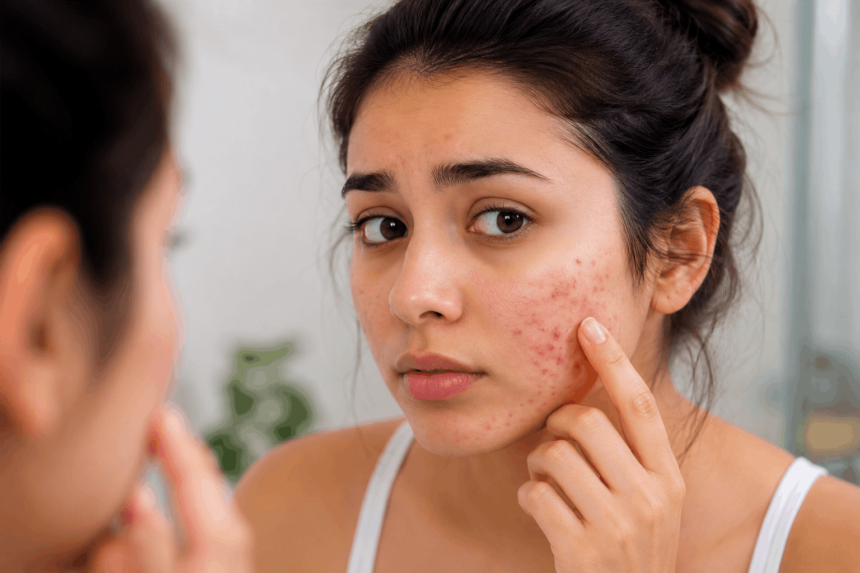
Acne is one of the most common skin concerns affecting teenagers and adults alike. While many people invest in expensive skincare products and treatments, they often unknowingly make mistakes that can worsen breakouts. From over-washing the face to using the wrong ingredients, these habits can irritate the skin, clog pores, and slow the healing process.
If you have been struggling with stubborn pimples, blackheads, or acne scars, understanding these common acne mistakes can help you build a healthier skincare routine and achieve clearer skin over time.
Why Understanding Acne Mistakes Matters
Acne develops when pores become clogged with oil, dead skin cells, and bacteria. Hormonal changes, stress, diet, and skincare habits can all influence breakouts. Many people focus only on treating visible pimples without addressing the habits that trigger inflammation beneath the skin.
Avoiding common skincare errors can reduce redness, minimize irritation, and improve overall skin health naturally.
1. Washing Your Face Too Often
One of the biggest acne myths is that frequent washing removes pimples faster. In reality, over-cleansing strips the skin’s natural oils, causing dryness and irritation. When the skin becomes too dry, it may produce even more oil, leading to additional breakouts.
What You Should Do Instead
- Wash your face only twice daily
- Use a gentle cleanser made for acne-prone skin
- Avoid harsh scrubbing
A balanced cleansing routine helps maintain the skin barrier and prevents unnecessary irritation.
2. Picking or Popping Pimples
Many people squeeze pimples hoping they will disappear quickly. Unfortunately, this habit can push bacteria deeper into the skin, increase inflammation, and leave permanent acne scars.
Why It’s Harmful
- Spreads bacteria
- Causes redness and swelling
- Increases risk of scarring
- Delays healing
Instead of touching breakouts, use spot treatments containing salicylic acid or benzoyl peroxide.
3. Using Too Many Acne Products at Once
Combining multiple strong acne treatments may seem effective, but it often damages the skin barrier. Using exfoliants, retinoids, and drying creams together can cause peeling, burning, and sensitivity.
Common Overused Ingredients
- Salicylic acid
- Benzoyl peroxide
- Retinol
- Glycolic acid
Better Approach
Introduce products slowly and monitor how your skin reacts. Simple skincare routines are often more effective than complicated ones.
4. Skipping Moisturizer Because of Oily Skin
Many acne sufferers believe moisturizer causes pimples. However, dehydrated skin can trigger excess oil production, which may clog pores further.
Choose the Right Moisturizer
Look for:
- Oil-free formulas
- Non-comedogenic products
- Lightweight gel moisturizers
Hydrated skin heals faster and looks healthier overall.
5. Sleeping With Makeup On
Leaving makeup on overnight traps oil, dirt, and bacteria inside pores. This can lead to clogged pores, irritation, and sudden breakouts.
Healthy Habit
Always remove makeup before bed using:
- Micellar water
- Gentle cleansers
- Makeup-removing balm
Clean skin at night allows your skin to repair itself properly while you sleep.
6. Ignoring Sunscreen
Some acne treatments increase skin sensitivity to sunlight. Without sunscreen, the skin can develop dark spots, redness, and post-acne pigmentation.
Best Sunscreen for Acne-Prone Skin
Choose:
- SPF 30 or higher
- Non-greasy formulas
- Non-comedogenic sunscreen
Daily sun protection helps prevent acne marks from becoming darker and more noticeable.
7. Frequently Touching Your Face
Your hands carry bacteria, dirt, and oils throughout the day. Constantly touching your face transfers those impurities onto your skin, increasing the chance of clogged pores and inflammation.
Tips to Avoid This Habit
- Keep hands clean
- Avoid resting your chin on your hands
- Clean your phone screen regularly
Small hygiene improvements can make a noticeable difference in acne control.
8. Not Cleaning Pillowcases and Towels
Dirty pillowcases collect oil, sweat, bacteria, and hair products. Reusing unwashed towels can also spread bacteria onto the skin.
Recommended Cleaning Routine
- Change pillowcases 2–3 times weekly
- Use clean face towels daily
- Wash makeup brushes regularly
Maintaining clean fabrics reduces exposure to acne-causing bacteria.
9. Expecting Overnight Results
Many people quit acne treatments too soon because they expect immediate improvements. Most acne products require consistent use for several weeks before visible results appear.
Typical Acne Treatment Timeline
- 2–4 weeks: Initial adjustment phase
- 6–8 weeks: Visible improvement
- 3 months or more: Significant results
Patience and consistency are essential for healthy skin recovery.
10. Following Every Viral Skincare Trend
Social media skincare hacks may not work for every skin type. Some DIY treatments and viral products can seriously irritate sensitive or acne-prone skin.
Risky Trends to Avoid
- Lemon juice on pimples
- Toothpaste spot treatments
- Excessive exfoliation
- Mixing strong active ingredients without guidance
It’s better to follow dermatologist-approved skincare practices rather than experimenting with unverified internet trends.
Best Habits for Clearer Skin
To improve acne naturally and safely, focus on building healthy daily habits:
- Drink enough water
- Eat a balanced diet
- Manage stress levels
- Get proper sleep
- Use gentle skincare products
- Stay consistent with treatments
Healthy skin usually improves gradually, not overnight.
When Should You See a Dermatologist?
If your acne is painful, severe, or leaving scars, professional treatment may help. A dermatologist can recommend personalized options such as:
- Prescription creams
- Oral medications
- Chemical peels
- Laser treatments
- Hormonal therapy
Early treatment can prevent long-term skin damage and improve confidence.
Final Thoughts
Acne can feel frustrating, especially when breakouts continue despite using skincare products regularly. In many cases, the problem is not just the acne itself but the everyday habits that make it worse. Overwashing, picking pimples, skipping moisturizer, and following harsh skincare trends can all damage the skin barrier and trigger more inflammation.
The key to healthier skin is consistency, patience, and choosing gentle, science-backed skincare habits. By avoiding these common acne mistakes and following a balanced routine, you can support clearer, calmer, and healthier-looking skin over time.