






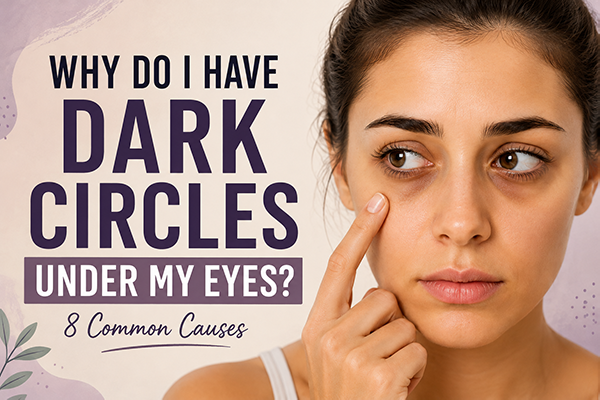
Dark circles have a habit of making you look tired even when you feel perfectly fine. You can sleep eight hours, drink enough water and follow a good skincare routine, yet still wake up with noticeable shadows under your eyes.
That’s because dark circles aren’t always about sleep.
For some people, they run in the family. For others, allergies, pigmentation, sun exposure or changes in the skin that happen with age play a bigger role. Sometimes what looks like dark skin isn’t pigmentation at all. It’s simply a shadow caused by the natural shape of the under-eye area.
Knowing what’s behind your dark circles makes it much easier to decide what, if anything, you should do about them.
1. Dark Circles Can Run in Your Family
Think about when you first noticed your dark circles.
If you’ve had them since your teens or even childhood, take a look at your parents or siblings. Similar under-eye darkness in the family can be a good clue that genetics are involved.
The characteristics you inherit can affect the amount of pigment around your eyes, how thin your skin is and the natural shape of the area beneath your lower eyelids.
This also explains why getting more sleep doesn’t always make dark circles disappear.
When genetics are a major factor, skincare may improve how the area looks, but completely removing the darkness may not be realistic.
2. You’re Not Getting Enough Sleep
There is some truth behind the classic tired-eyes look.
After a few late nights, many people notice that their under-eye circles stand out more than usual. Poor sleep can leave your complexion looking paler, which may make the blood vessels beneath the thin skin around your eyes easier to notice.
You may also wake up looking slightly puffy, adding more shadow beneath the eyes.
Try keeping your sleeping and waking times reasonably consistent for a few weeks and see whether you notice a difference.
If you’re regularly sleeping well and the circles remain unchanged, sleep probably isn’t the main reason they’re there.
3. You Have More Pigmentation Around Your Eyes
Not every dark circle is a shadow. Sometimes the skin itself really is darker.
Extra pigmentation around the eyes can have several causes, including genetics, sun exposure and irritation.
Sun exposure deserves particular attention. UV exposure encourages the skin to produce more melanin, the pigment responsible for skin color. Over time, that can make existing pigmentation around the eyes more noticeable.
If you spend plenty of time outdoors, sunscreen shouldn’t stop at your cheeks.
Use a broad-spectrum sunscreen suitable for your skin and wear sunglasses when you’re outside. Sunglasses also have the added benefit of reducing squinting and giving the delicate eye area some physical protection from sunlight.
4. Your Skin Is Changing With Age
You may notice that dark circles become more obvious as you get older, even though your lifestyle hasn’t changed much.
The skin beneath the eyes is already quite thin. As the years pass, changes in collagen, elasticity and facial volume can make that area appear thinner or more hollow.
Blood vessels underneath the skin may become easier to see as well.
Then there’s shadowing.
Loss or redistribution of facial volume can make the groove between the lower eyelid and cheek look deeper. Depending on the lighting, that hollow can create a dark shadow.
No brightening cream can completely correct a shadow caused by facial structure, which is why knowing what you’re looking at matters.
5. Allergies Are Making Your Eyes Itchy
If your eyes become itchy and watery during allergy season, pay attention to what happens to your under-eye area at the same time.
Allergies can leave the area looking puffy or darker. They can also make you want to rub your eyes constantly.
That repeated rubbing isn’t particularly kind to delicate under-eye skin.
If your dark circles become worse when you’re also sneezing, congested or dealing with itchy eyes, allergies may be contributing.
Rather than concentrating only on cosmetic products, it may be worth discussing persistent allergy symptoms with a healthcare professional.
As well, avoid a desire to rub your eyes.
6. You’re Not Drinking Enough Fluids
Dehydration is often presented online as the explanation for dark circles. In reality, it’s only one possible factor.
When you haven’t had enough fluids, your skin can look dull and tired. This can make shadows beneath your eyes more obvious.
Drinking an appropriate amount of water throughout the day is good for your general health, but don’t expect water alone to erase under-eye circles you’ve had for years.
If genetics, pigmentation or facial structure are responsible, drinking another few glasses of water won’t suddenly change them.
So stay hydrated, but keep your expectations realistic.
7. It’s Actually a Shadow Under Your Eyes
This one surprises a lot of people.
Stand in front of a mirror underneath a bright ceiling light and look at your under-eye area. Then move somewhere with soft natural light coming from in front of you.
Do your dark circles suddenly look different?
If they do, some of what you’re seeing could be shadow.
The groove between the lower eyelid and upper cheek is often called the tear trough. Some people naturally have a deeper groove, while it can become more noticeable as facial volume changes with age.
The hollow catches light differently from the surrounding skin and can create the impression of a dark circle.
This is also why someone can spend months using products for pigmentation without seeing the improvement they expected. The product and the actual cause simply don’t match.
8. Your Skincare Is Irritating the Area
When people want faster results, there’s a temptation to use more products.
A brightening serum goes on first. Then an eye cream. Maybe a retinol product at night. An exfoliating product gets added because the discoloration isn’t fading quickly enough.
Soon the skin around the eyes starts feeling dry, tight or itchy.
The skin in this area is delicate, and irritation can make it look worse rather than better. In some people, inflammation can also leave lingering discoloration.
Be cautious if you’re experiencing:
- Burning after applying skincare
- Persistent itching
- Red or irritated skin
- Flaking
- Swelling
- Excessive dryness
Don’t treat burning or peeling as proof that a product is doing its job.
If the skin around your eyes is irritated, simplify your routine and give it time to settle. Persistent irritation, eczema-like symptoms or swelling should be checked by a healthcare professional.
What Can You Do About Dark Circles?
Start by looking at your habits rather than immediately buying another product.
Get enough sleep consistently. Wear sunscreen and sunglasses when you’re outdoors. Avoid rubbing your eyes, especially if allergies make them itchy. Keep yourself adequately hydrated and be gentle when removing eye makeup.
Your skincare routine doesn’t need to be complicated either.
A gentle cleanser, suitable moisturizer and daily sun protection provide a sensible foundation. Any treatment product you add should have a clear purpose.
If pigmentation is your main concern, the approach may be different from someone whose darkness comes primarily from hollows beneath the eyes.
A dermatologist can help when you’re struggling to work out the difference.
Frequently Asked Questions
Why do I have dark circles even after sleeping well?
Sleep may not be the main cause. Genetics, pigmentation, allergies, thin skin and the natural shape of your under-eye area can all make dark circles visible even when you’re well rested.
Are dark circles hereditary?
They can be. If your parents or siblings have similar dark circles, inherited pigmentation, skin characteristics or facial structure may be contributing.
Can dark circles actually be removed by drinking water?
Staying hydrated may help your skin look healthier, particularly if you were dehydrated. It won’t remove dark circles caused by genetics, pigmentation or under-eye hollows.
Why do my eye circles feel sharper on some days?
Sleep, allergies, puffiness, dehydration, sun exposure and even lighting can change how noticeable your under-eye circles appear from one day to another.
Can allergies make the skin under my eyes look darker?
Yes. Allergies can contribute to puffiness and under-eye darkness. Itchy eyes can also lead to repeated rubbing, which may irritate the area further.
Final Thoughts
Dark circles aren’t automatically a sign that you need more sleep or a stronger eye cream.
Look at the bigger picture.
Have you always had them? Do they run in your family? Do they become worse during allergy season? Does their appearance change dramatically depending on the lighting? Is the skin actually darker, or are you seeing a shadow beneath the eye?
Those details can tell you far more than the latest skincare trend.
Good sleep, sun protection, adequate hydration and gentle skincare are sensible places to start. If your dark circles continue to bother you or you’re unsure what’s causing them, a dermatologist can help you understand what you’re dealing with and which options are appropriate.